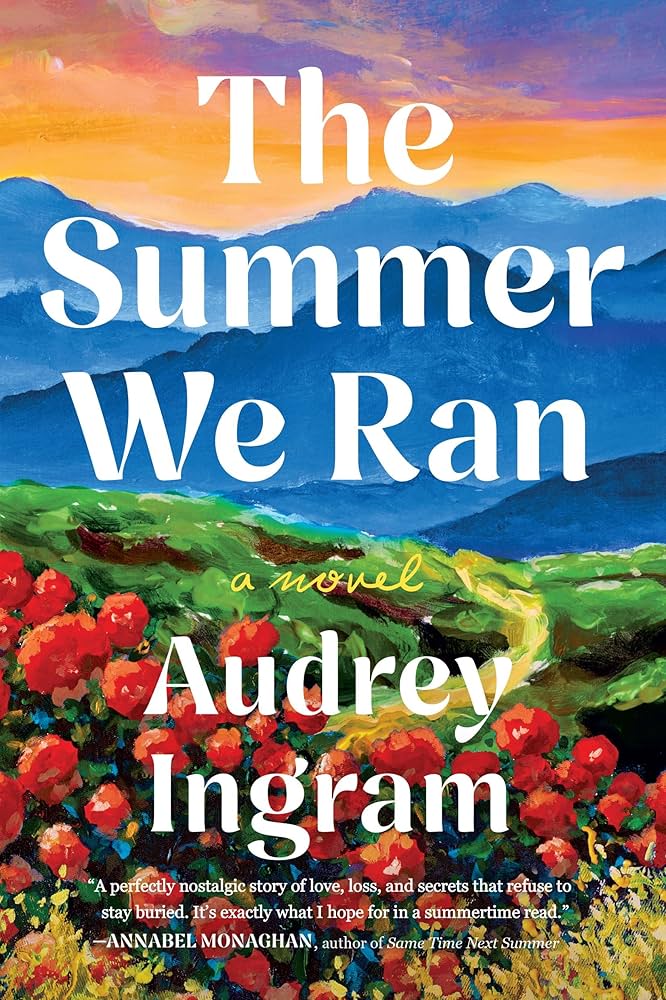
Genre: Romance, Political Fiction
Rating 3/5 stars (generously)
I want to start by saying that contemporary romance should not be categorized as women’s fiction. And on top of that, I don’t think this particular book really qualifies as a romance novel either. For me, a romance novel has to actually feel romantic, even if it doesn’t end happily. And if it’s a rom-com? It must have a happy ending. The problem is that too many books get lumped into “romance” even when they don’t meet those standards.
Secondly, I created this blog to dive deeper into my literary opinions, and I don’t think I can do that justice if I’m constantly avoiding spoilers. So consider this your warning going forward: spoilers are fair game here.
This book falls into that Barnes & Noble category of “fiction shelved as romance,” instead of “romance shelved as fiction”. My least favorite of the shelving mishaps. The writing itself was an organized and occasionally witty second chance romance story. However, the pacing dragged, and I found the flashbacks far more compelling than the main storyline. As for the leads, Tess and Grant, I just didn’t care what happened to them because they caused all of their own problems.
The one bright spot? Grant’s mother, Kay. She was the most layered and sympathetic character by far. She was a sort of more palatable Daisy Buchanan archetype. A victim of her own circumstances, but obviously dreamed of bigger things than her abusive husband allowed. A real representation of money can’t buy happiness. As her money was not her own, it showed her lack of financial safety.
The Backstory
Tess and Grant met as teenagers , she was 17, he was 18, in a reversed “princess and pauper” romance. They fell hard, fast, and of course, it ended badly. Between family tragedy, Grant’s awful father, and the impossible pressures of being so young, they never stood a chance.
The real fracture came when Tess became pregnant. She planned to have an abortion, yet was on the fence about it. Then when Grant’s father got her mother fired, he leveraged their financial turmoil and gave her $50k to end things. Tess ended up taking the money but keeping the pregnancy, while Grant (believing she chose the money over him) didn’t call her. His dad broke the news, not her, escalating the situation.
While Grant absolutely should have respected Tess’s right to choose, I also don’t think he was wrong to feel betrayed due to Tess’ collusion with his abusive father.
Where the Story Fell Apart for Me
- Tess getting pregnant went against everything we had learned about her up until then. I understand they were planting the seeds of her becoming more careless (carefree?) due to Grant. Yet, at the same time she was SO neurotic. Not realizing they did not use protection the first time was a stretch.
- Tess never explained to her husband why she didn’t want children. She didn’t need to spill everything, but she could have at least given a medical explanation instead of letting the truth fester. She just kept saying she didn’t want children.
- Grant refused to take accountability for why his marriage fell apart, he kept his wife at arm’s length and then acted shocked when their relationship went stale. He mentioned he missed them being so fun. Take it from my personal experience, fun only gets you so far with a man who can’t come to terms with his own emotions and life choices. I think the reason I couldn’t stand Grant is because I have recently experienced a similar type of man who broke my heart and was more trouble than he was worth.
- Tess blew up a relationship with someone who genuinely loved her, chasing Grant after twenty years. Even with the lies, all she had to do was make the choice to tell the truth to her husband, instead of being cornered into it. Things probably could have been salvaged. Even then, she didn’t even tell the WHOLE truth to her husband until after it blew up PUBLICLY. That alone is very untrustworthy.
- Both characters were riddled with contradictions. Grant’s views on abortion came from privilege, and Tess acted like he’d magically change. He only accepted her choice once he found out she hadn’t gone through with it, which read as virtue signaling, not growth. I understand him being pro-life as an 18 year old Virginian in the 1980s. But his political platform was pro-life, changing that view ONLY for Tess was a weird approach.
- Tess’s storyline as a female politician also fell flat. Making her “sterile” instead of simply child free played into outdated tropes rather than portraying a woman who actively chooses not to have kids. I think highlighting her decision to have her baby, was a good depiction of what it actually means to be pro-choice. Pro-choice does not mean pro abortion, it means letting a woman choose. Tess’s mother was a great example of this, supporting her daughter’s decision but also explaining that there are options. She kept saying that Tess didn’t have to rush into a decision due to the money, which was a breath of fresh air.
Overall I think this is another on the list of books that could have been great, but simply wasn’t. People are always recommending books to me because the writing is amazing, but then the story itself is not and I think those need to go hand in hand. SO many writers these days are good, but the story sucks because the writer is too lazy or one dimensional to realize the better directions the book can go. I guess this is another to tuck into the back of my mind of how to make a better story!
 TBR with Tati
Leave a comment